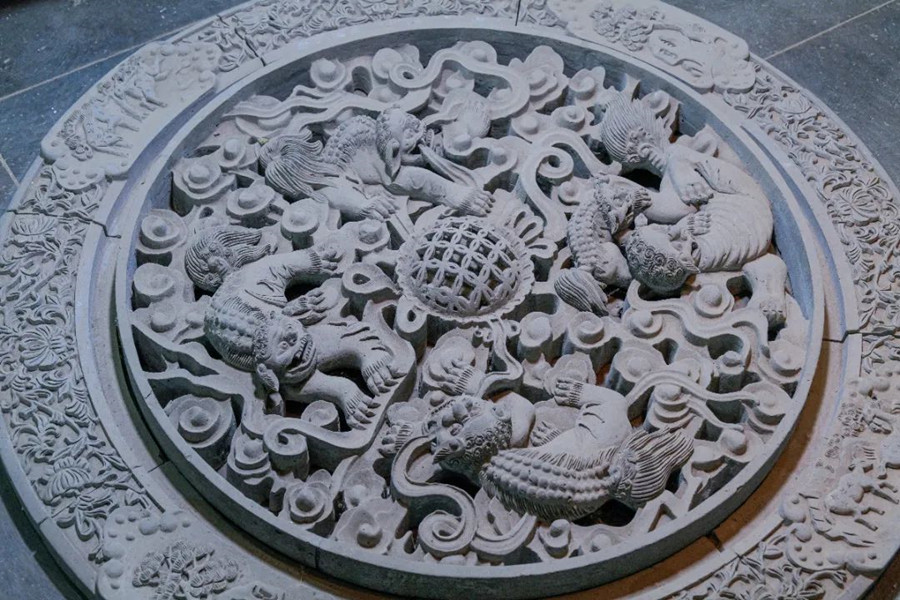
Brick Carving in China
Introduction
Brick carving is an intricate art form that holds significant importance in the realm of Chinese architectural decoration. This craft involves the detailed engraving of patterns such as figures, rivers, mountains, and flowers onto grey-green bricks. Historically, these carved bricks have been prominently used to adorn the walls of temples, burial chambers, and residences, showcasing the artistic flair prevalent in ancient Chinese architecture. Today, brick carving remains a testament to the skilled craftsmanship of ancient artisans and serves as a valuable cultural heritage that continues to inspire contemporary artists and architects.
History
The origins of brick carving in China can be traced back to ancient times, with evidence of its presence during the Qin (221-206 BC) and Han (206 BC-220 AD) dynasties, when bricks and wood were primary building materials. During the Song Dynasty (960-1279), brick carving gained prominence as it was increasingly used in architectural elements, particularly in tombs, where carved bricks depicted scenes from the life of the tomb owner. The Ming (1368-1644) and Qing (1644-1911) dynasties marked the pinnacle of brick carving, with artisans excelling in creating intricate multi-layered patterns on bricks. Today, archaeological finds in regions such as Hunan province continue to reveal the rich history and artistic sophistication of ancient brick carvings.
Techniques
Tools and Materials
Brick carving requires a specific set of tools and materials to achieve the desired artistic effects. Grey-green bricks are the primary material used, chosen for their durability and workability. Artisans employ a variety of chisels and carving knives to etch intricate designs into the brick surface. The selection of tools depends on the complexity of the design and the depth of the carving required. Additionally, artisans may use brushes and polishing tools to refine the finished work, enhancing its visual appeal and longevity.
Carving Processes
The process of brick carving begins with selecting appropriate bricks, which are then carefully marked with the design to be carved. Artisans meticulously carve the design using various chisels and knives, paying attention to depth and detail. The carving process often involves multiple stages, with each layer requiring precision and skill. In some cases, artisans may employ advanced techniques to create multi-layered carvings, adding depth and dimension to the artwork. Once the carving is complete, the brick is polished and treated to protect the intricate designs from environmental damage.
Styles and Themes
Brick carving in China encompasses a wide range of styles and themes, reflecting the diverse cultural influences and artistic traditions across different regions. Common themes include depictions of historical figures, mythical creatures, and scenes from nature. Floral patterns, landscapes, and symbolic motifs are also prevalent, each carrying specific cultural and philosophical meanings. The styles vary from region to region, with some emphasizing simplicity and elegance, while others focus on intricate detail and elaborate compositions. This diversity in styles and themes contributes to the rich tapestry of Chinese brick carving art.
Regional Variations
Different regions in China have developed unique styles and techniques of brick carving, influenced by local cultural traditions and architectural needs. For example, Linxia brick carving, also known as Hezhou brick carving, matured during the Ming and Qing dynasties and is characterized by its integration of painting and wood carving techniques. Yangzhou brick carvings, known for their simplicity and elegance, combine motifs from ancient Huizhou and Jiangsu styles. Meanwhile, Hui-style brick carvings of Huangshan are renowned for their exquisite multi-layered patterns, reflecting the artistic ingenuity of the region's craftsmen.
Famous Artisans and Works
Xu Chunrong, a renowned brick carving artisan from Hai'an, is celebrated for his exceptional craftsmanship and artistic achievements. Born in 1912, Xu learned wood carving at a young age and later taught himself the art of brick carving. His works, praised as one of the "three treasures of folk handicrafts in Hai'an," have been exhibited in various venues across China, including a notable piece depicting Chairman Mao displayed in Beijing. Xu's legacy continues to inspire contemporary artisans and contribute to the recognition of brick carving as a valuable cultural heritage.
Modern Developments
In modern times, brick carving has evolved to incorporate new techniques and materials, reflecting contemporary artistic sensibilities while maintaining traditional craftsmanship. Artisans continue to explore innovative designs, blending classical motifs with modern themes to create unique artworks. The use of digital tools and technology has also enhanced precision and efficiency in the carving process. Despite these advancements, the essence of brick carving remains rooted in traditional practices, preserving its cultural significance and artistic integrity for future generations.








